27 February, 2026: Engaging the Community: A Hands-On Look at Permafrost Drilling
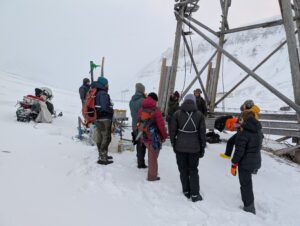
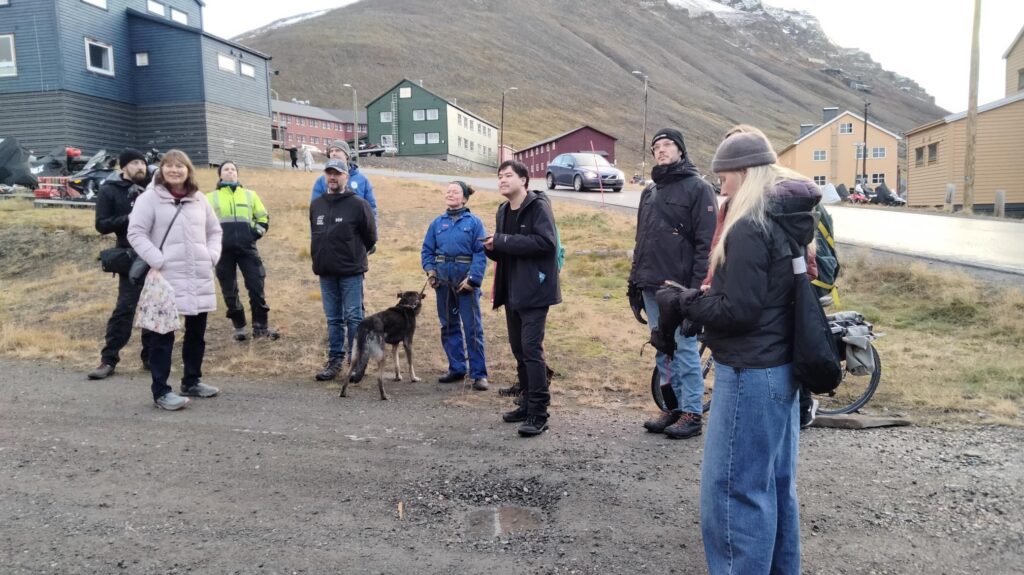
At 3:00 pm, we gathered at the old hospital in Longyearbyen, near Haugen, to begin our outreach event. Maaike kicked things off with a brief introduction to permafrost and the objectives of the ThawingLYR project before we walked up to the nearby cable car tower for a closer look at our work.
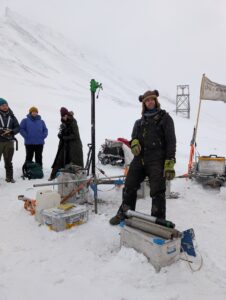
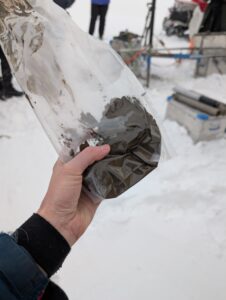
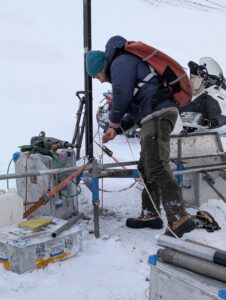
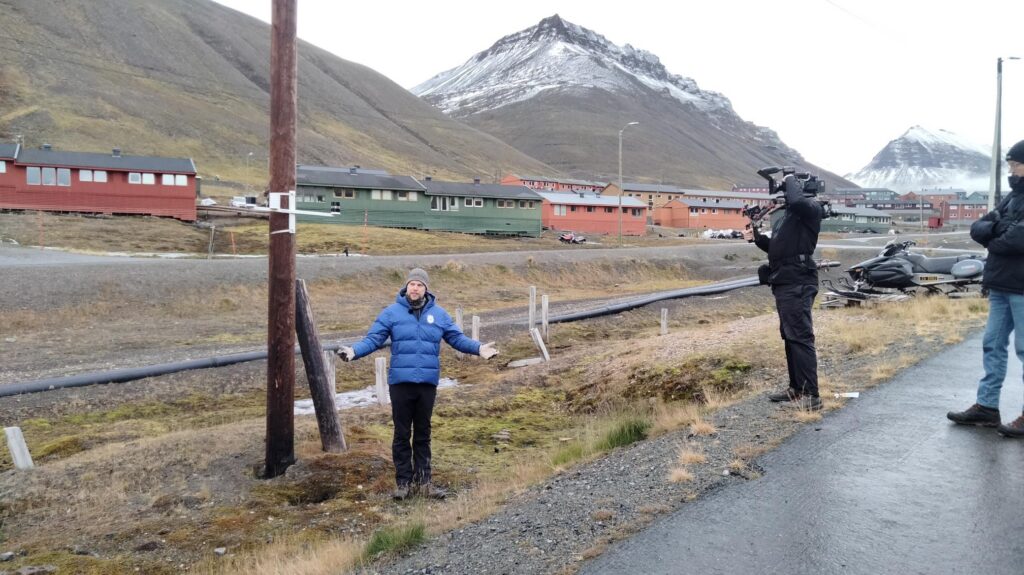
Once on-site, Ullrich from Kolibri Geo Services spoke about the unique complexities of drilling into frozen ground. He showcased the specialised equipment we use, passing around items like the drill bit and sediment samples retrieved from various depths. The session was highly interactive; we invited visitors to measure the borehole’s depth both before and after a live drilling demonstration so they could see the progress for themselves.
The crowd was very engaged, filling the hour with insightful questions. In total, 16 of us made the trip, including our drillers Ullrich and Audun, a journalist from Svalbardposten, and a film crew from the ILLUQ project. We finished the demonstration and walked back to the old hospital around 4:00 pm, pleased with the community’s interest in the ground beneath their feet.
16-19 February, 2026: Physical Project Meeting in Longyearbyen
The ThawingLYR research project had a very successfull and intensive workshop in Longyearbyen focussing on the interdisciplinarity of the project 16-19 February, 2026. This is super important for a project extending from social and political science to natural and engineering science and with several local stakeholder partners as well.
Almost all project partners were present, allowing really good discussions. Some key discussion points were defining critical infrastructure and how to collaborate with other projects also on this important topic. Of course, the main outcome of our project the permafrost and climate change response system was presented and discussed, just as we considered where would be the best home for this important tool after our project is over. Also, developing citizen science was discussed and it will be exciting to see if we obtain additional funding to develop a frost tube and educational permafrost programme in Longyearbyen. We planned outreach activities and how to best interact with other relevant research projects to have more synergy across science relevant for permafrost.
Finally, we worked on developing detailed tasks that we will work on during the coming year, and decided to meet again in a years time as then we will have even more data to also discuss.
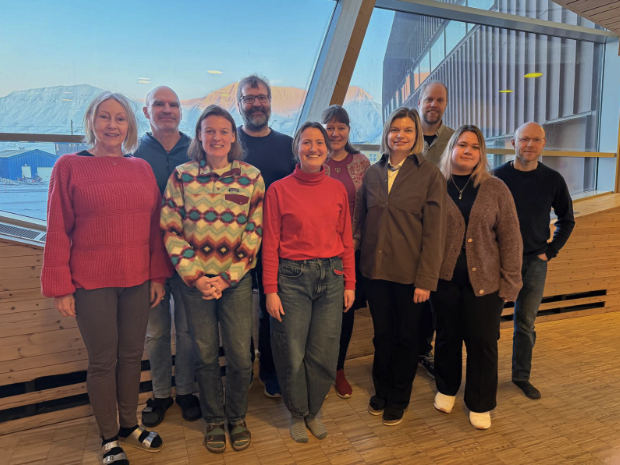
Participants from the left: Grete, Arne, Maaike, Eystein, Charlotte, Hanne, Julia, Marius, Maria and Per Gunnar (all in photo). Lillian also joined, just as we had several visitors for specific points. Photo: Ingrid Ballari
UNIS. 26.09.2025: Town Walk
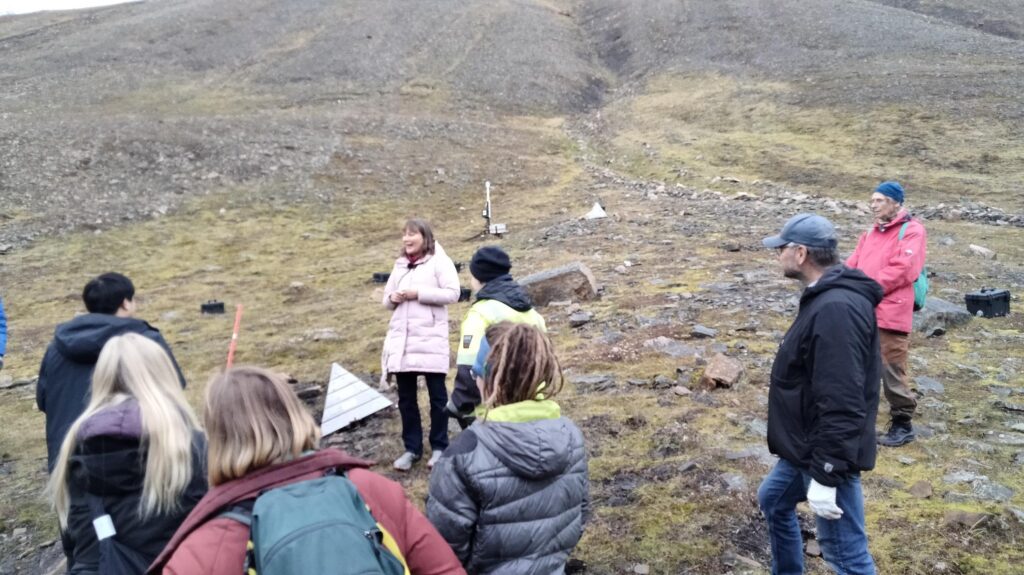
Following our public info night, we invited the community to join a walk through Longyearbyen to learn about permafrost monitoring and the challenges of Arctic living. Led by permafrost expert Hanne Christiansen (UNIS), the walk included several key stops:
- Town Square: Uneven settling of brick paths, wooden skirts on buildings, and cooling plate foundations.
- Hilmar Rekstensvei: LongyearObs weather stations, active layer detachment on Sukkertoppen, and avalanche fences.
- Vannledningsdalen: Borehole research instruments and live data monitoring.
- Perleporten Bridge: Water management, dams, and historic slush avalanche geohazards.
- Haugen & Old Hospital: Examples of building deformation and the impact of past decision-making on permafrost.
24.09.2025: Dialogue Stakeholder Meeting & Public Info Night
Social scientists from Nordland Research Institute and local experts hosted a dialogue meeting with key stakeholders, including the Governor of Svalbard, Svalbard Energi, and LPO Architects. The discussion focused on identifying vulnerable areas, daily life impacts of thawing permafrost, and infrastructure monitoring priorities.
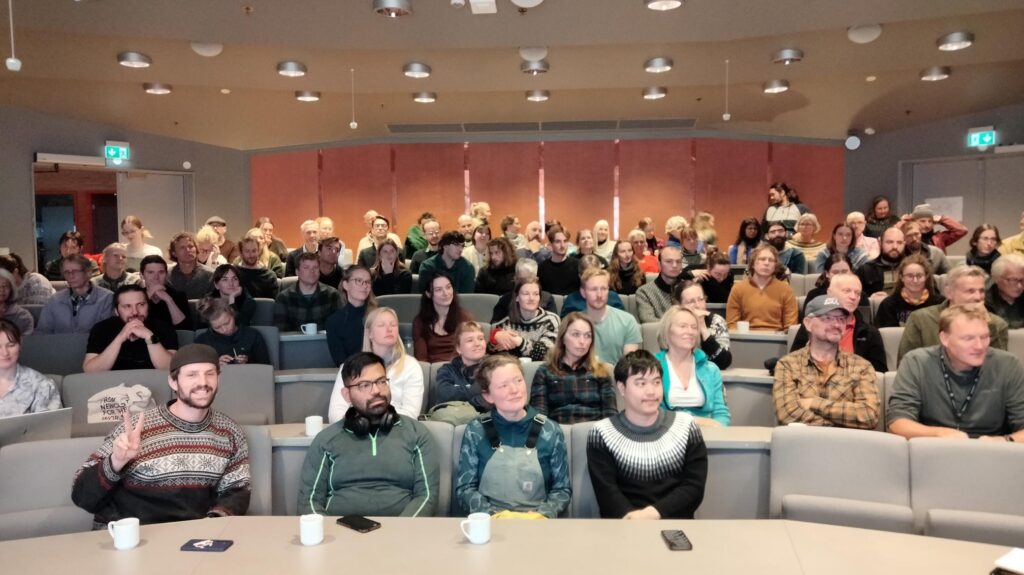
In the evening, we hosted a “full house” at UNIS for an open information meeting. Presentations included:
- Climate Change and Permafrost: Challenges for Longyearbyen (H. Christiansen & M. Jonassen).
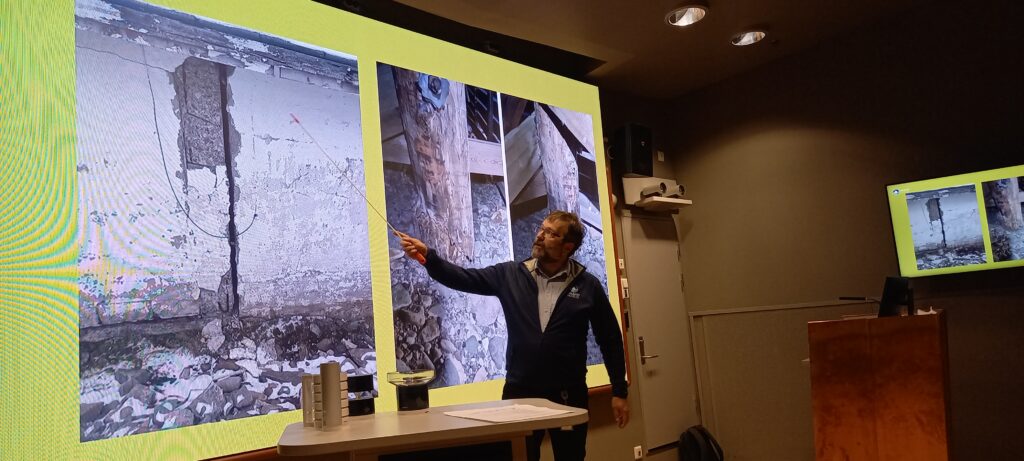
- Cultural Heritage: Status and challenges (E. Markusson).
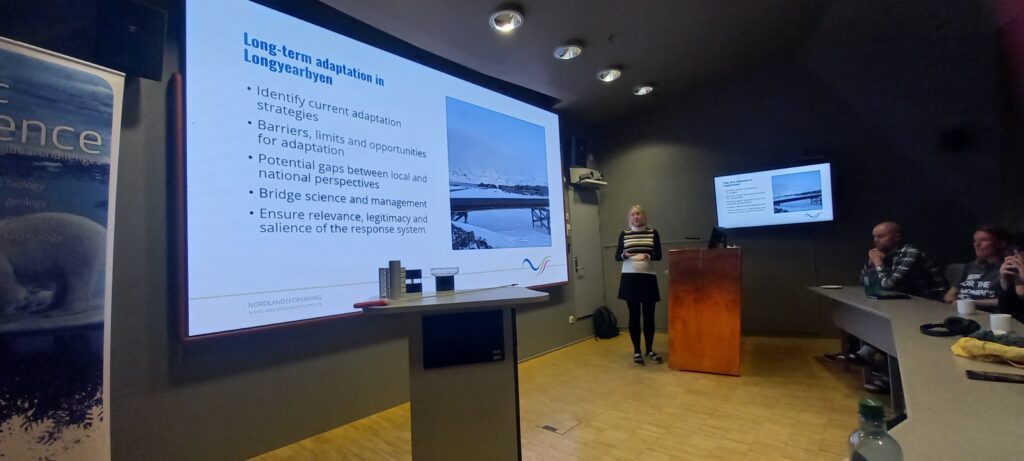
- Societal Adaptation: Local involvement and challenges (G. Hovelsrud).
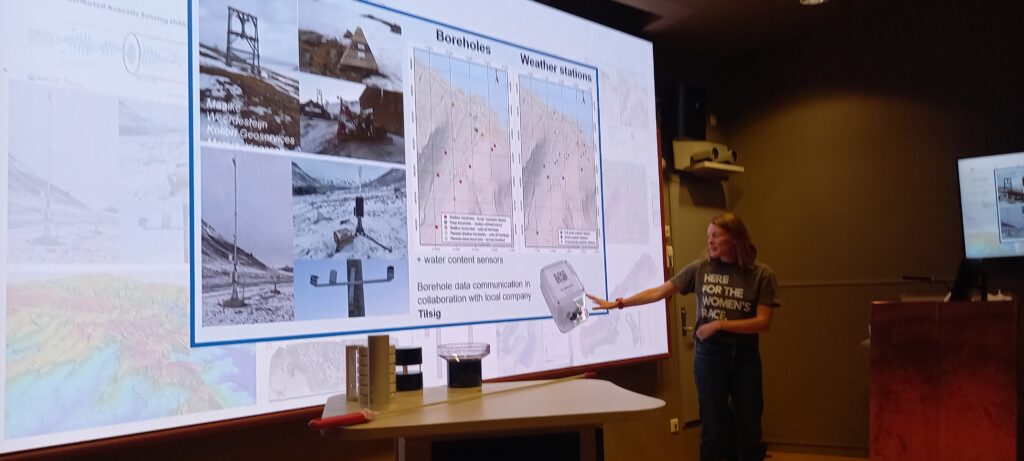
- Response System: Developing local involvement strategies (M. Weerdesteijn).