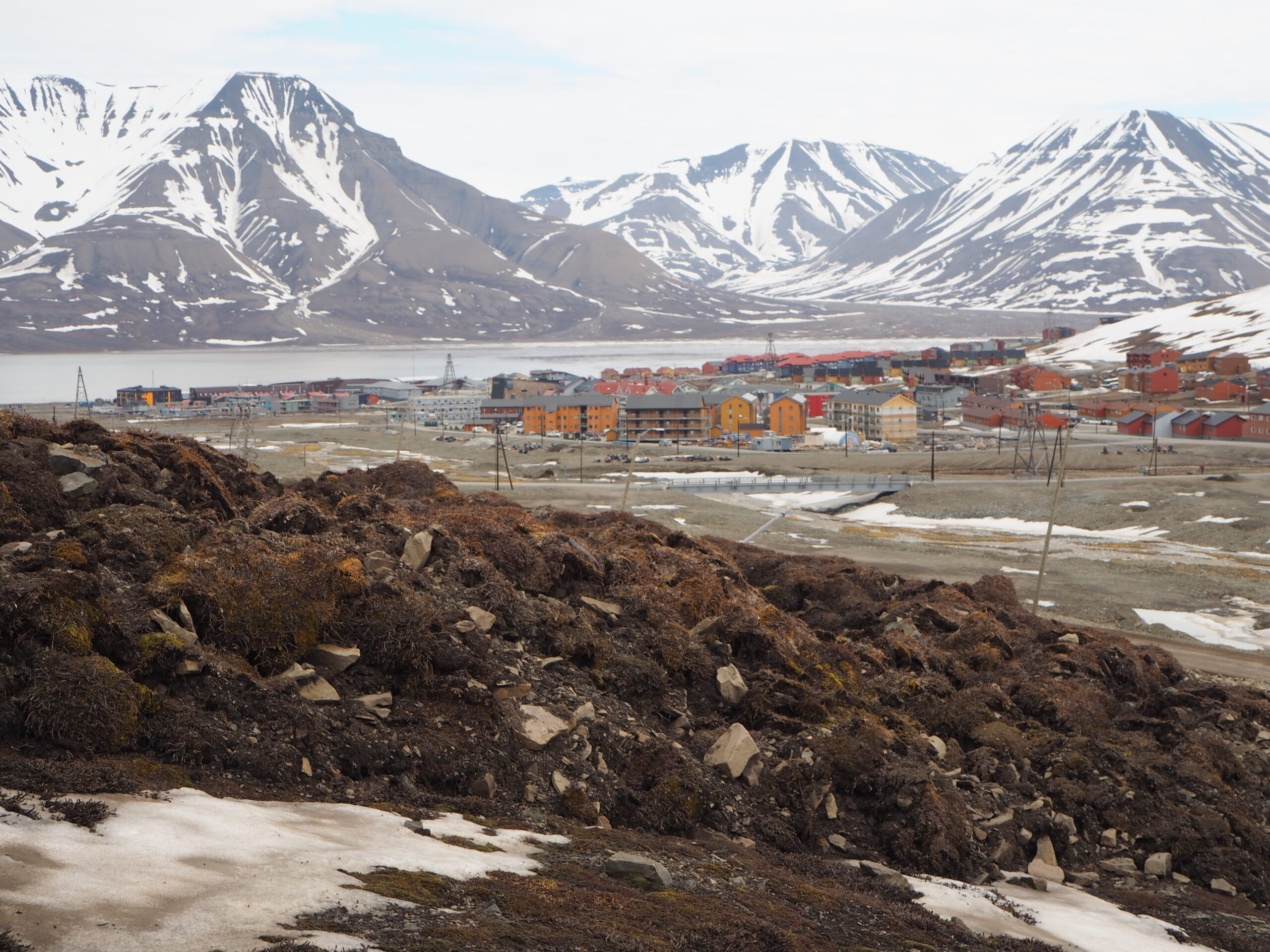
News
Updates, events and results from the ThawingLYR project.
8 September, 2026
Platform demo workshop
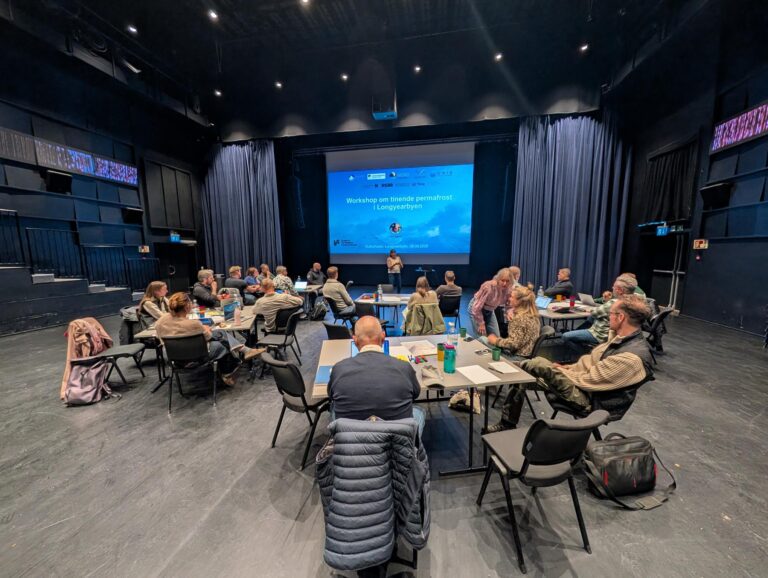
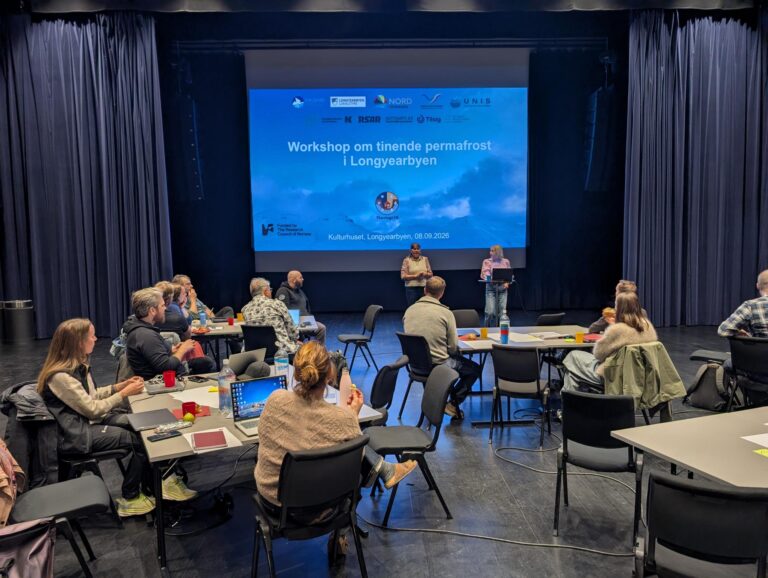
How useful is our web portal for people working with the consequences of thawing permafrost in Longyearbyen? This was one of the questions explored during an interactive workshop at Kulturhuset.
We have developed a web portal where users can access information on the state of permafrost in Longyearbyen, alongside weather and map-based information, at portal.thawinglyr.com. The portal is under continuous development. For this workshop, we invited local representatives from Statsbygg, Sysselmesteren, Longyearbyen lokalstyre, Store Norske Spitsbergen Kulkompani, Avinor, Coop, Svalbard Energi, Svalbard Museum, and COWI to an interactive session. In part 1, Maaike Weerdesteijn presented the portal and its features while participants followed along on their own laptops or phones. In groups, they discussed their first impressions, opportunities to improve the visual presentation of data and information, the portal’s usefulness, and whether any relevant information was missing.
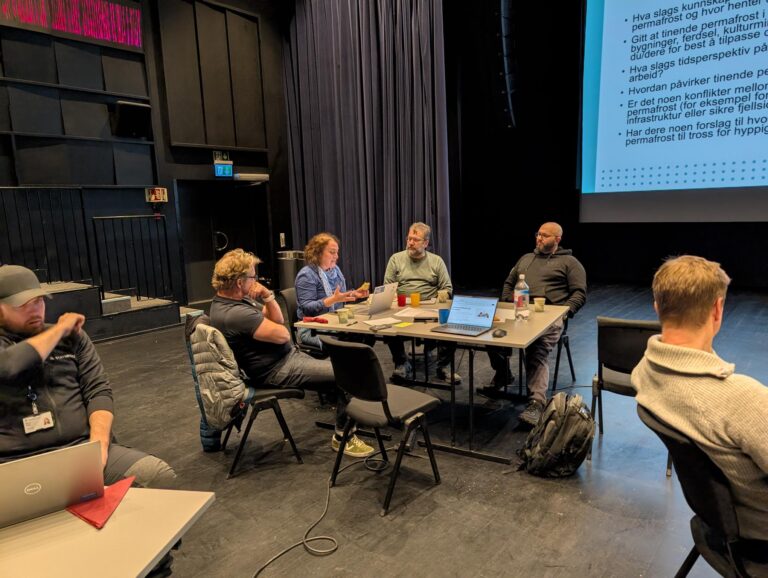
In part 2, led by Tiril V. Hansen, the groups discussed permafrost adaptation in greater depth, guided by the following questions: What kind of knowledge do you use when dealing with the consequences of thawing permafrost, and where do you obtain this knowledge? Given that thawing permafrost will increasingly affect infrastructure, buildings, travel and movement, cultural heritage sites, and other areas, what type of knowledge do you need to best adapt? What timeframe for information and data is appropriate for your work? How does thawing permafrost affect critical infrastructure? Are there any conflicts between different needs and strategies for adapting to thawing permafrost (for example, preserving cultural heritage, maintaining critical infrastructure, or stabilising mountainsides and protecting residents)? Do you have any suggestions for ensuring effective knowledge transfer regarding thawing permafrost, despite frequent staff turnover?
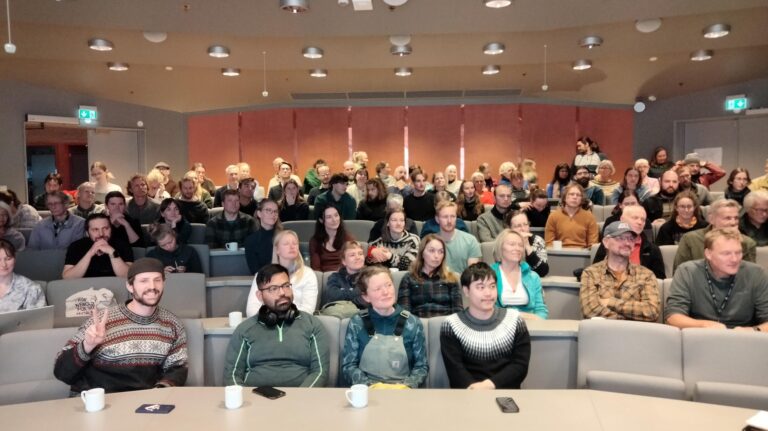
During the discussions, each of the five groups had a group leader from our project who took notes and summarised the discussion for sharing with all participants at the end of the session. The workshop brought together 26 people, including group leaders. We learned a great deal about participants’ concerns and needs and plan to build on this feedback as we further develop the portal. We thank all participants for joining us and sharing their perspectives.
8 September, 2026
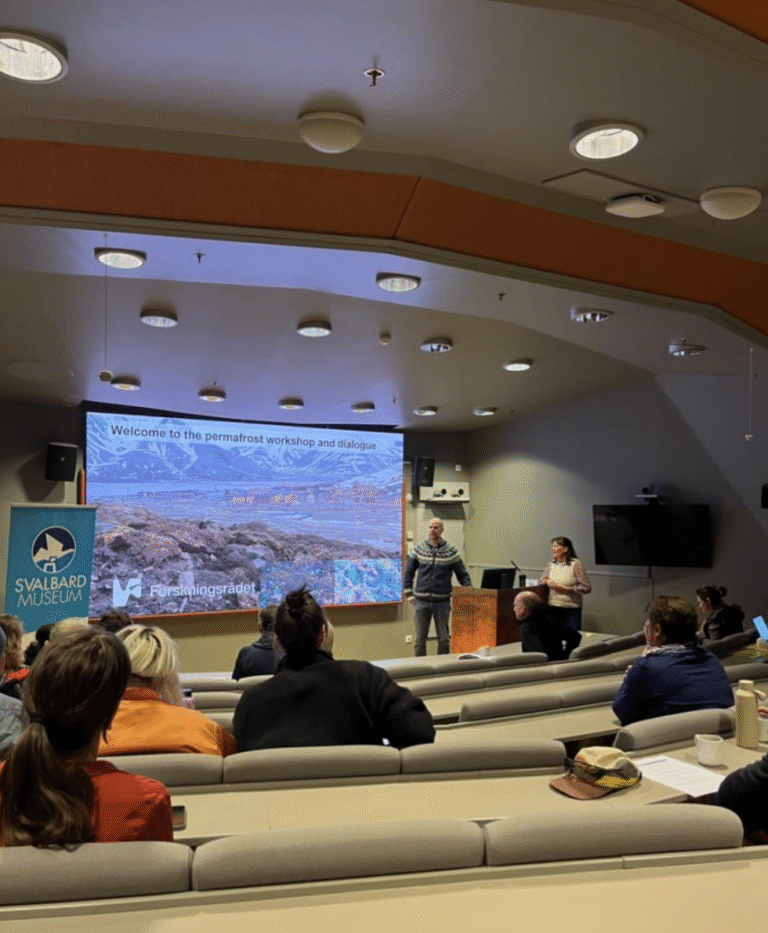
Permafrost public info & discussions night
In the evening, we welcomed the public to an event at the University Centre in Svalbard to explore thawing permafrost and what it means for Longyearbyen. Speakers represented local organisations as well as institutions elsewhere in the Nordic region, providing an opportunity to learn from each other and explore similarities and differences in the permafrost challenges faced across the Nordic Arctic.
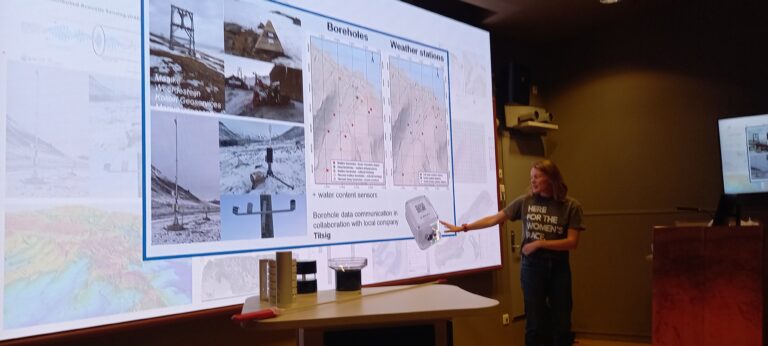
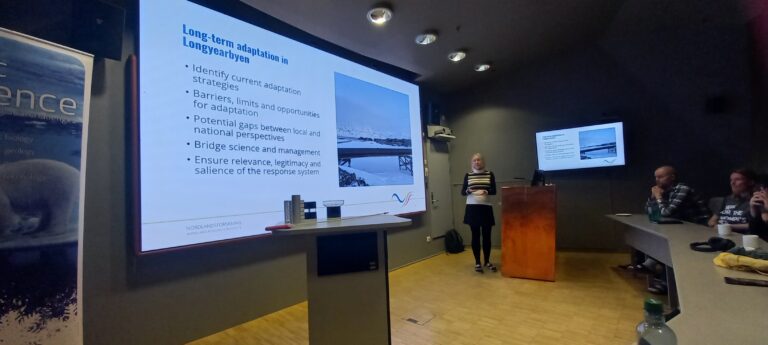
Part I focused on the state of permafrost in Longyearbyen, with short talks on permafrost and climate (Hanne H. Christiansen & Marius O. Jonassen), how permafrost is affected by infrastructure (Arne Instanes), policy and adaptation to thawing permafrost in Longyearbyen (Tiril V. Hansen), ongoing work on the data portal for the permafrost and climate change response system (Maaike Weerdesteijn), and working with thawing permafrost in Longyearbyen Community Council (Lillian Risvaag).
Part II focused on citizen science in meteorology and permafrost, with demonstrations of ongoing activities in Longyearbyen: Ullrich Neumann presented frost tubes, and Charlotte Bruland presented passive seismics. Participants were also invited to join a town walk on Thursday to learn more about instrumentation and activities in Longyeardalen and to try recording thaw depth measurements themselves.
Part III explored permafrost in the Nordic Arctic, with short talks from other projects and experts. Speakers included Knut Øien from ARCHAIC, Alexandra Meyer from ILLUQ, Thomas Ingeman-Nielsen from Arctic DTU Sisimiut and ILLUQ, and Marjolaine Verret, who presented research on local drinking water and permafrost. The session concluded with a panel discussion, giving the audience an opportunity to put their questions to the experts.
For the final part of the evening, we moved to the UNIS canteen for informal conversations and mingling. Here, local participants, researchers, and other organisers had an opportunity to continue the conversations and share their questions and perspectives.
It was a meaningful evening, and we appreciated the opportunity to discuss permafrost with the public. The event provided an opportunity for shared learning, both between the public and project experts and among the experts themselves.
10 September, 2026
Walking excursion
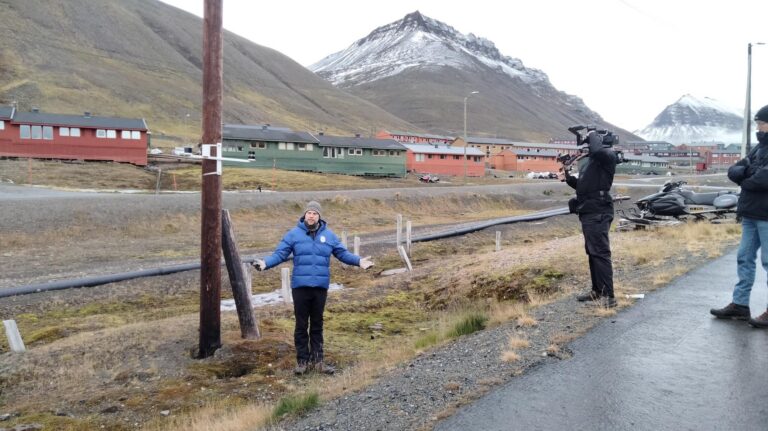
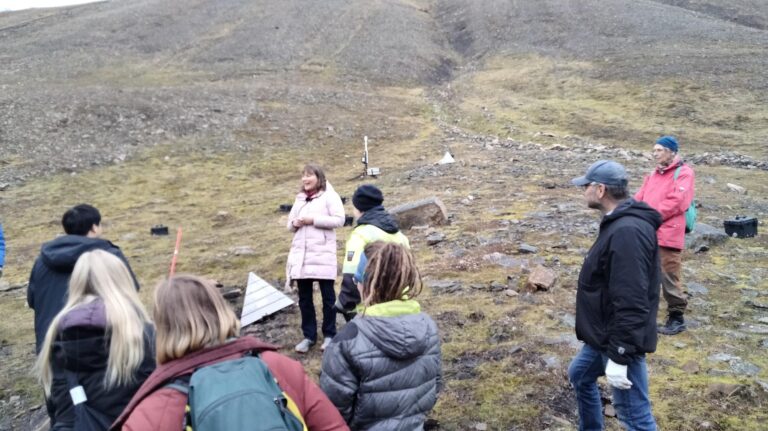
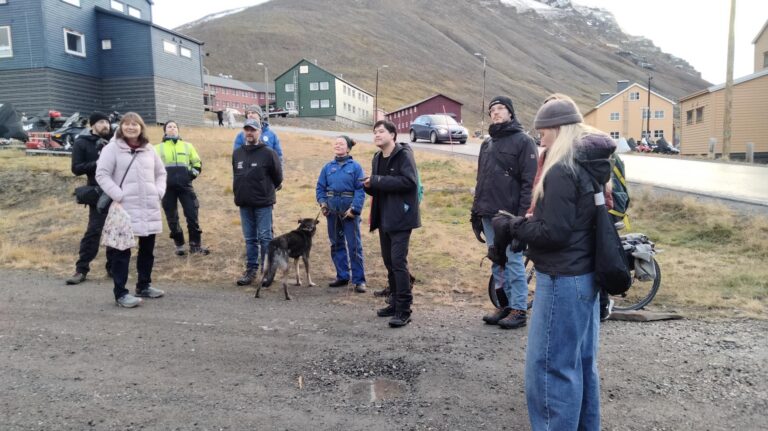
On Thursday afternoon, the ThawingLYR and ILLUQ projects jointly hosted a walking excursion for locals and visitors to learn more about permafrost in Longyearbyen. Along the way, participants explored local permafrost challenges, visited research installations, and learned how to contribute their own measurements.
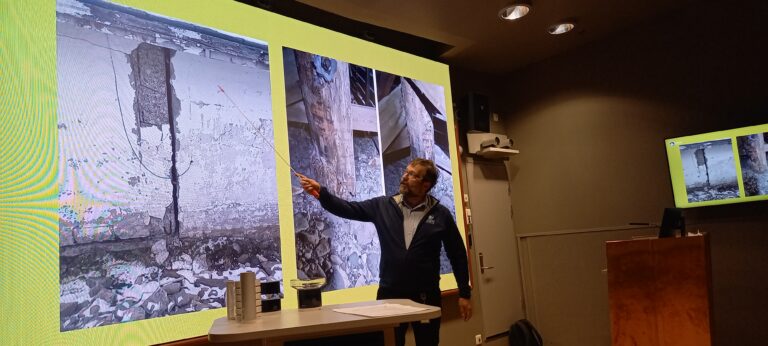
Svalbard Museum presented challenges facing cultural heritage buildings, while Hanne H. Christiansen showed landslides from 2003 and 2026, explaining the landforms they left behind and their relationship to permafrost. We also visited boreholes and meteorological stations, explained how they work, and checked the current thaw depth in the data portal.
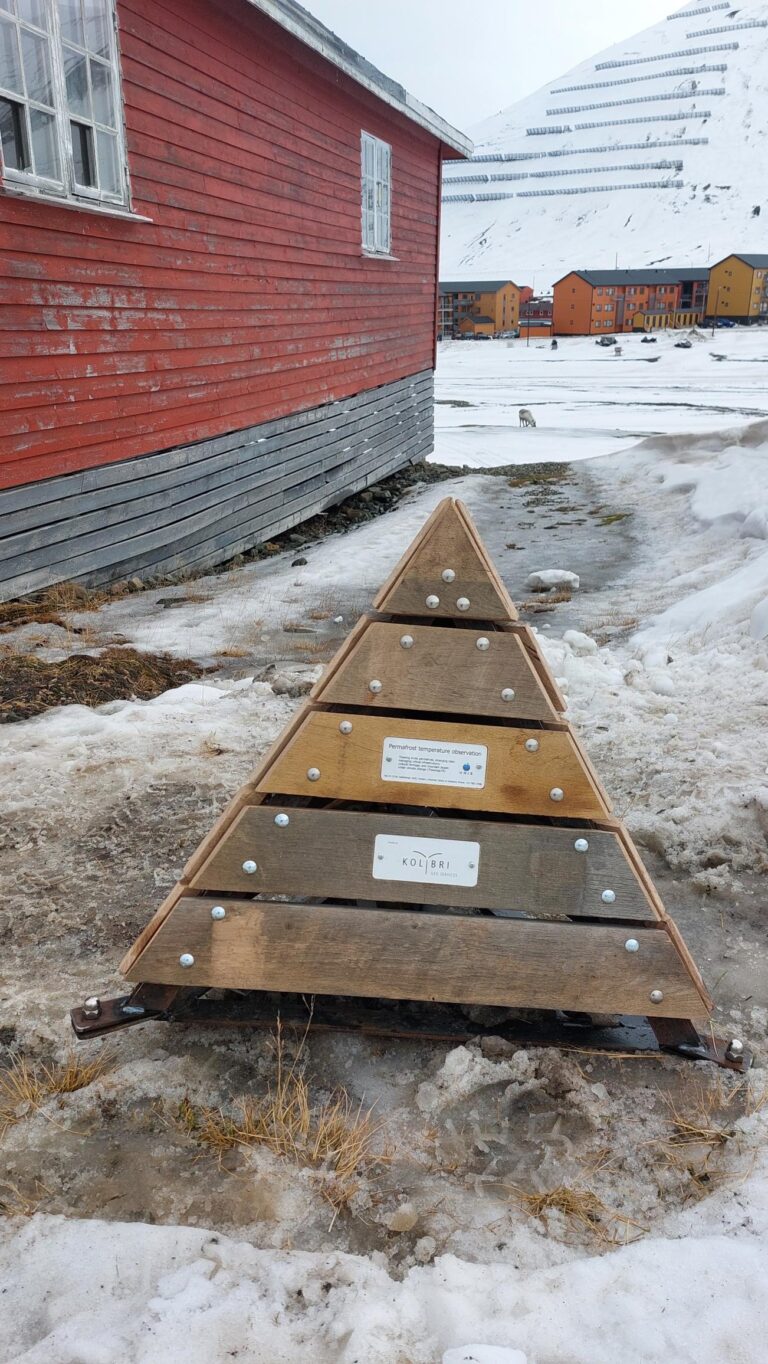
Ullrich Neumann from Kolibri GeoServices introduced the newly installed frost tubes for citizen science. Six frost tubes are now located along roads in Longyearbyen, allowing people to contribute measurements of thaw depth. Participants learned how to take these measurements and offered suggestions for improving the process.
The excursion gave researchers, residents, and visitors an opportunity to share knowledge and discuss permafrost in the landscape around them.
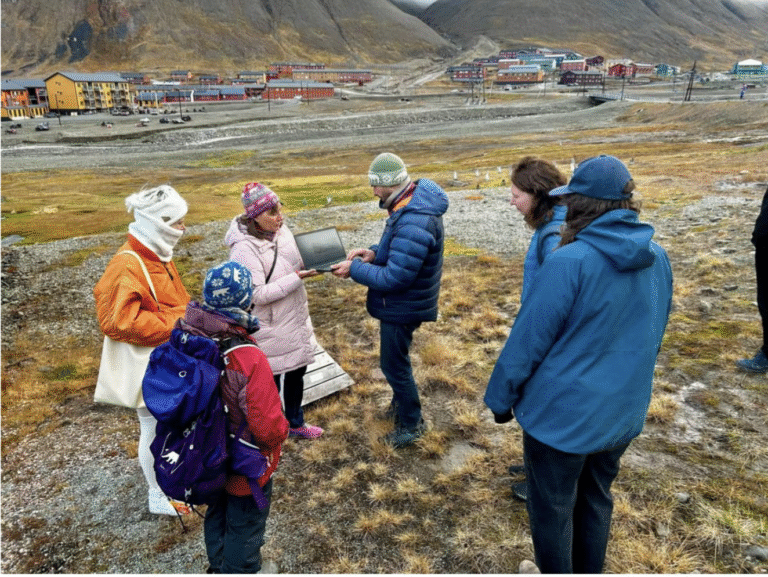
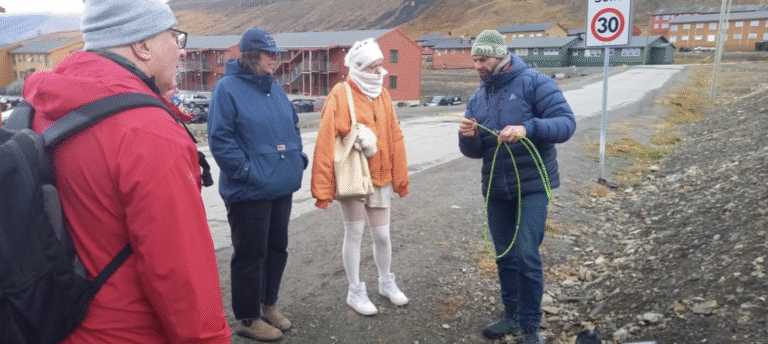
Bottom photo: Learning how to use a frost tube in central Longyearbyeoto: Photo: Hanne H. Christiansen.
26–28 May, 2026
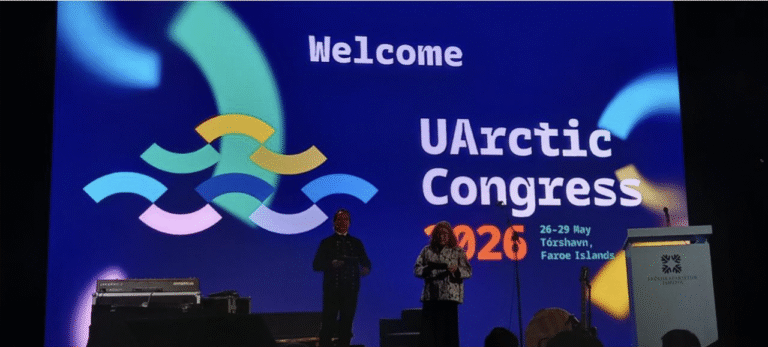
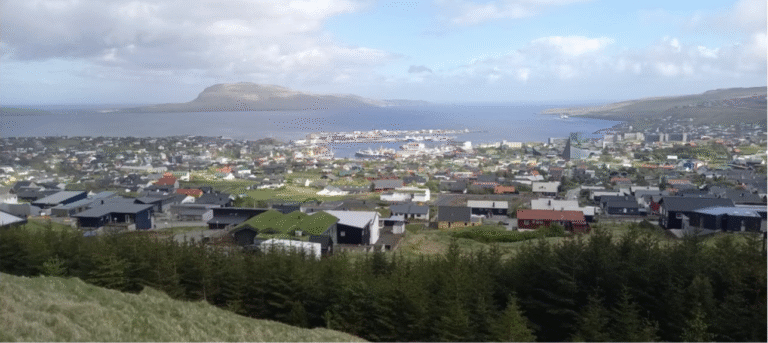
ThawingLYR Highlights at the UArctic Congress in Tórshavn, Faroe Islands
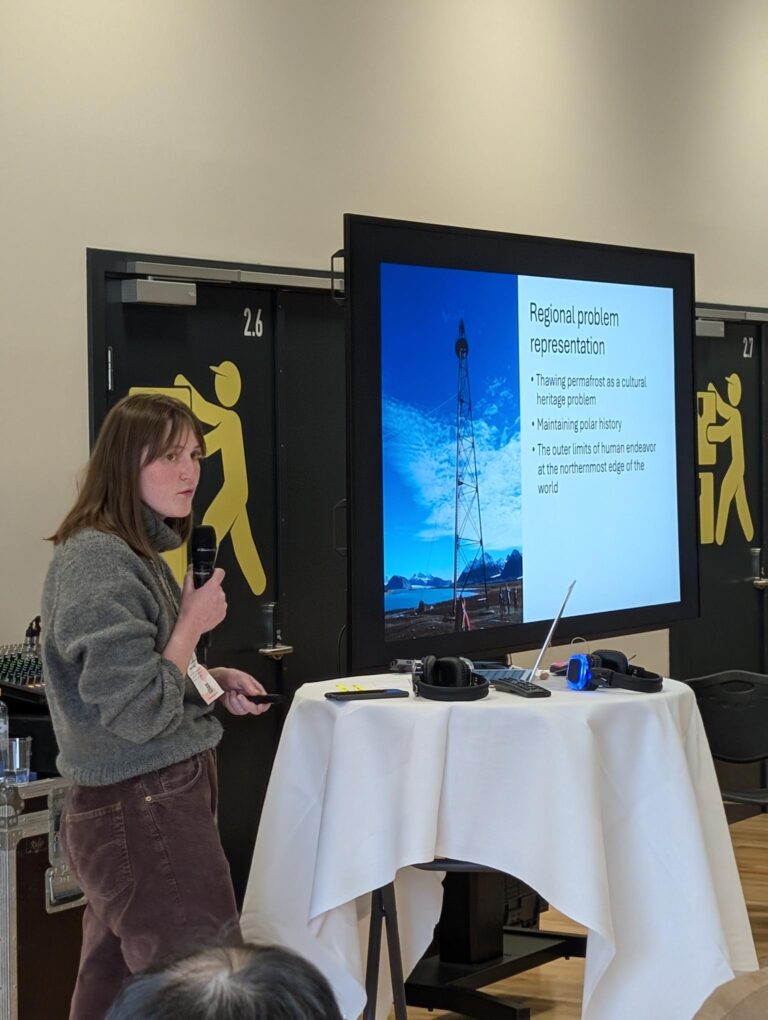
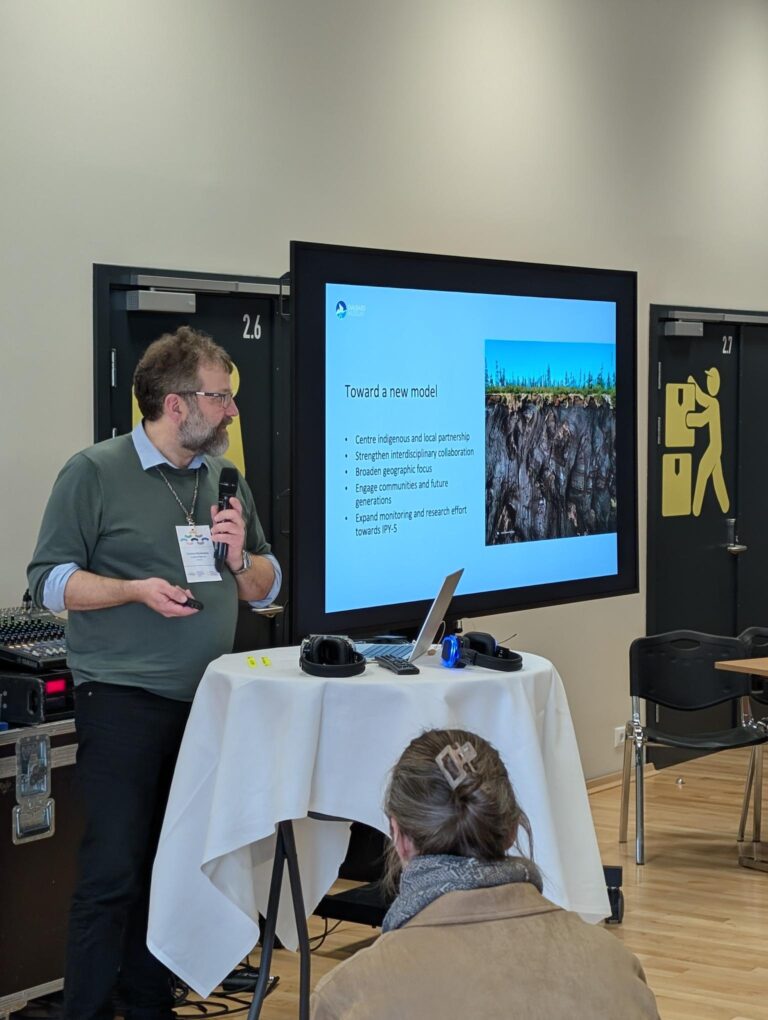
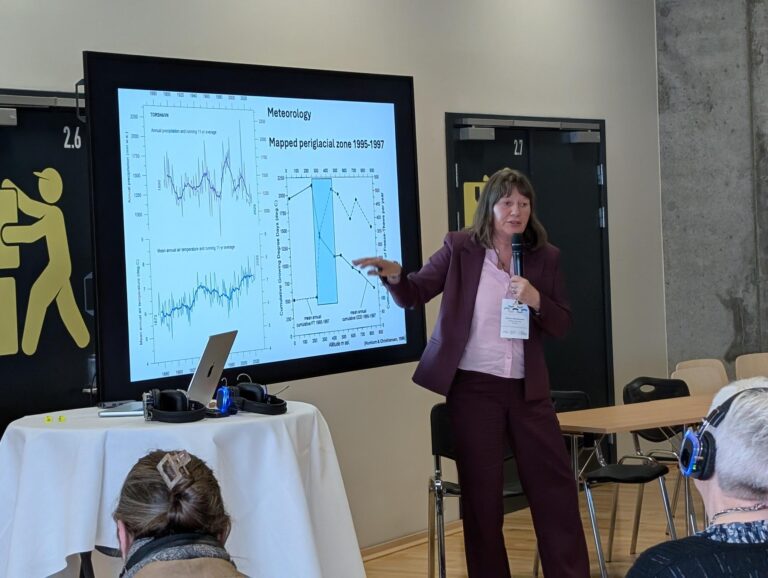
The ThawingLYR project was well-represented at the recent UArctic Congress, held from May 26–28 in Torshavn, Faroe Islands. Project insights were shared during the session ‘Defining and Observing the Arctic in a Time of Rapid Changes’, which was co-chaired by project co-leader Professor Hanne H. Christiansen from Aarhus University. The session featured several key contributions from the project team, showcasing ThawingLYR’s highly interdisciplinary approach to Arctic environmental challenges.
Project data scientist Maaike Weerdesteijn (UNIS) led a presentation titled ‘A permafrost & climate change response system for Arctic communities on permafrost’, focusing on the technical development of the project’s monitoring and response systems. Bringing in the vital societal angle, social science researcher Tiril Hansen (Nordland Research Institute) followed with her presentation, ‘When the ground moves faster than politics: problem representations of permafrost geohazards in Longyearbyen, Svalbard’, which explored the political and community complexities of managing rapid geohazards.
The project’s collaborative network was also highlighted by project partner Eystein Markusson, Director of the Svalbard Museum. He delivered a presentation titled ‘Shared permafrost, shared futures – A new platform for understanding change’, which outlined ongoing efforts to develop a “Shared Arctic Variable” on permafrost under the SAON ROADS project, noting Longyearbyen’s central role as a pilot site for this important work. Together, these presentations provided an excellent platform to demonstrate how ThawingLYR bridges the gap between physical data, social science, and local community action.
9 April, 2026
Engaging the Community: Connecting the past and the present
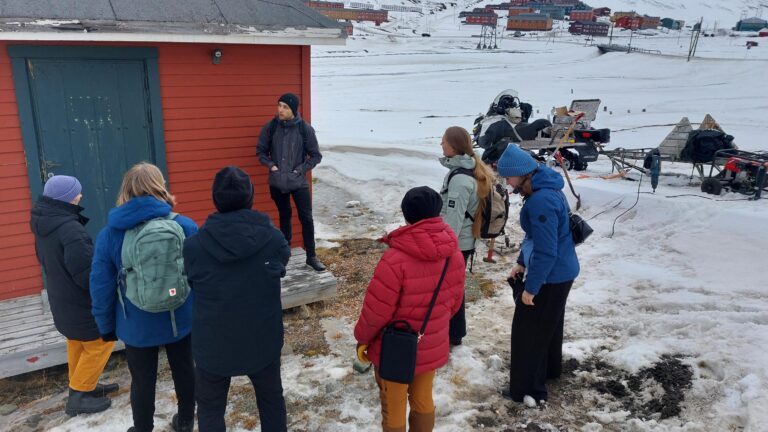
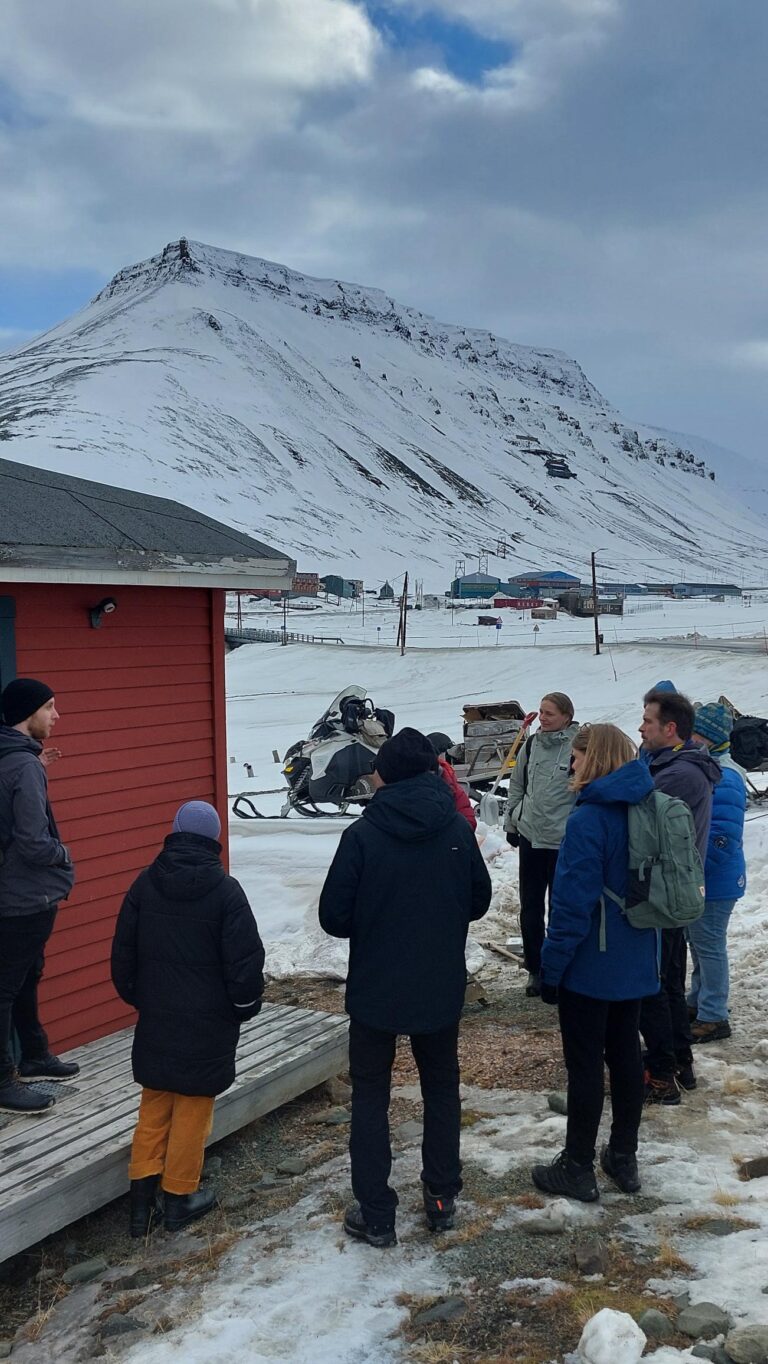
The ThawingLYR project, in collaboration with the Svalbard Museum, recently invited the community to the old barn in Longyearbyen to witness the birth of a new permafrost monitoring station.
It was a beautiful and warm April Friday when Haakon Unhammer Kvaale from the Svalbard Museum and Ullrich Neumann from Kolibri Geo Services AS welcomed ten guests to the site. Haakon opened the event by sharing a glimpse into Longyearbyen’s history nearly a century ago. He highlighted the fascinating story of Fjøset—the historic barn that once housed livestock during a time when the town’s inhabitants faced six to seven months of total winter isolation.
Following the historical context, Ullrich discussed the modern engineering challenges and consequences of building on permafrost. He outlined the core mission of the ThawingLYR project and emphasised the critical importance of ongoing permafrost monitoring. To bring the science to life, he showcased the technical equipment—including a thermistor chain, data logger, and transmitter—and explained exactly how these components are installed deep within a borehole.
The gathering concluded with an engaging discussion, as attendees asked thoughtful questions about permafrost conditions on Svalbard, changing snow patterns, and the future of local ground stability and infrastructure.
27 February, 2026
Engaging the Community: A Hands-On Look at Permafrost Drilling
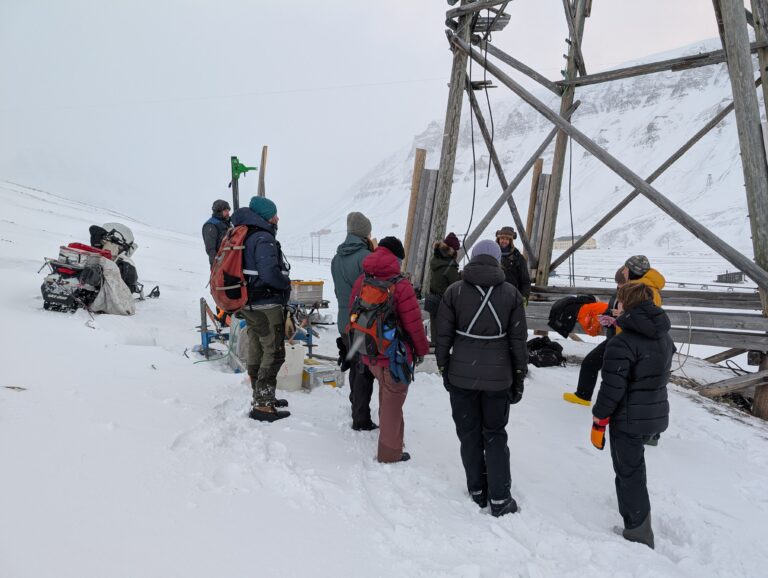
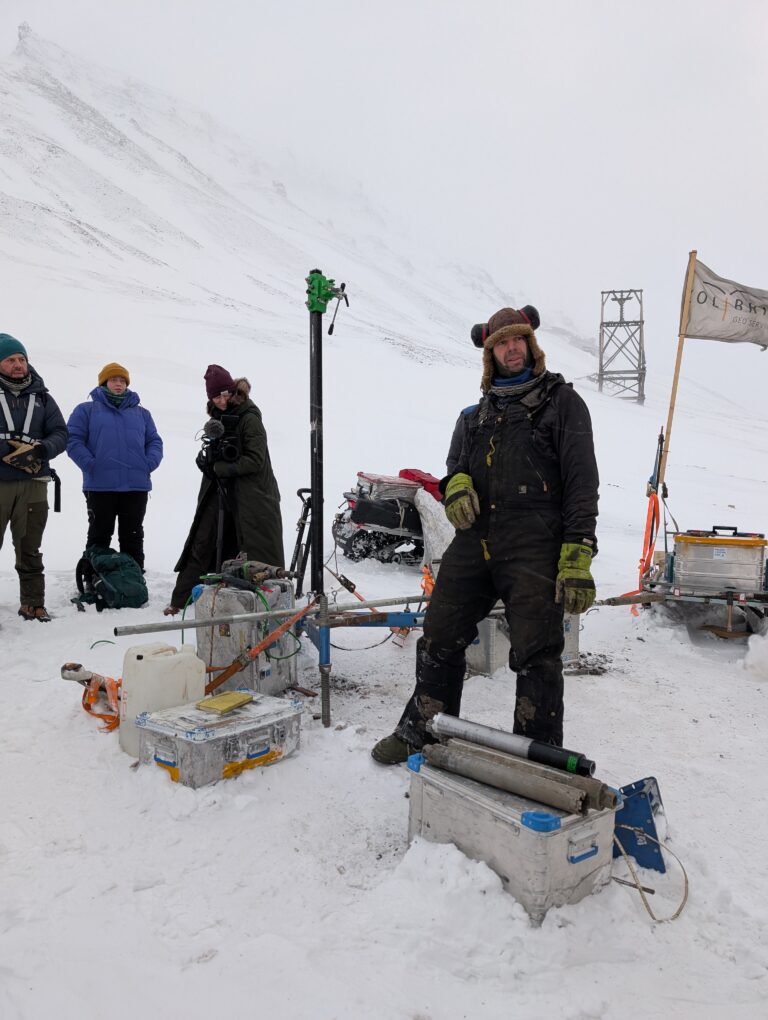
At 3:00 pm, we gathered at the old hospital in Longyearbyen, near Haugen, to begin our outreach event. Maaike kicked things off with a brief introduction to permafrost and the objectives of the ThawingLYR project before we walked up to the nearby cable car tower for a closer look at our work.
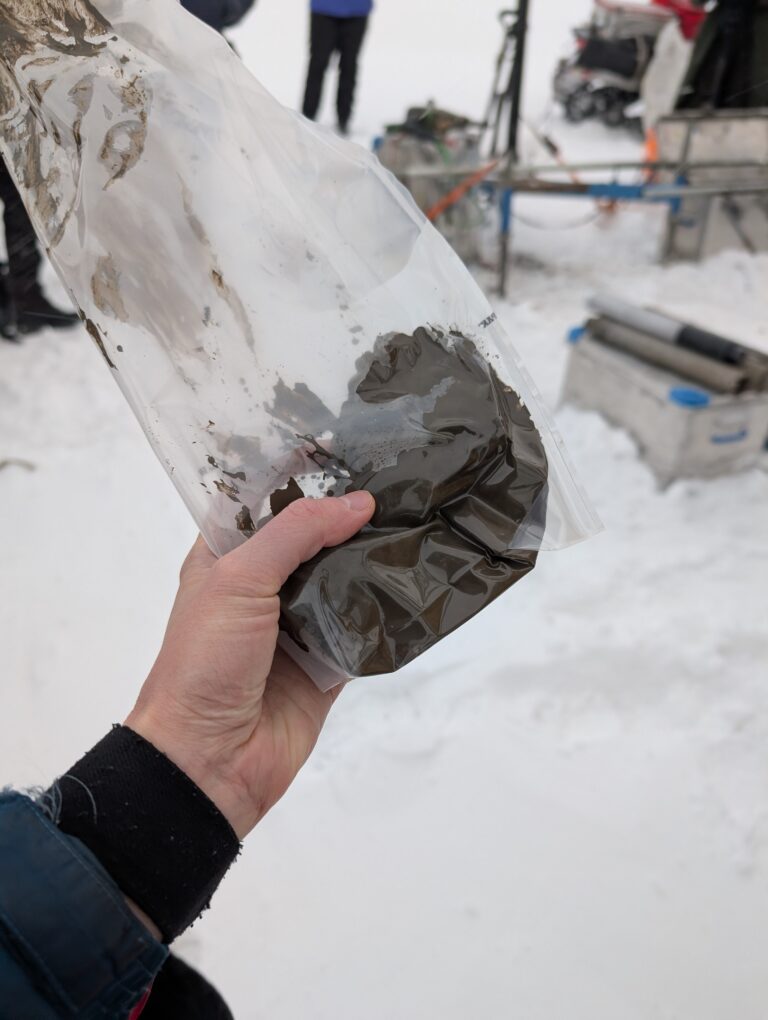
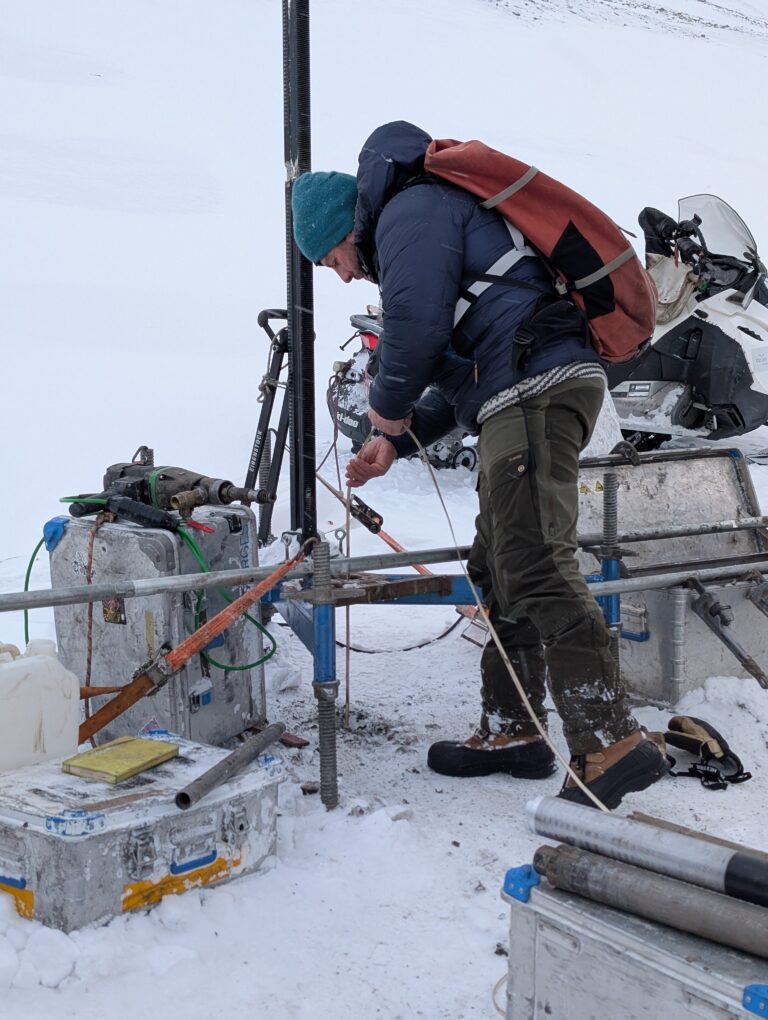
Once on-site, Ullrich from Kolibri Geo Services spoke about the unique complexities of drilling into frozen ground. He showcased the specialised equipment we use, passing around items like the drill bit and sediment samples retrieved from various depths. The session was highly interactive; we invited visitors to measure the borehole’s depth both before and after a live drilling demonstration so they could see the progress for themselves.
The crowd was very engaged, filling the hour with insightful questions. In total, 16 of us made the trip, including our drillers Ullrich and Audun, a journalist from Svalbardposten, and a film crew from the ILLUQ project. We finished the demonstration and walked back to the old hospital around 4:00 pm, pleased with the community’s interest in the ground beneath their feet.
16-19 February, 2026
Physical Project Meeting in Longyearbyen
The ThawingLYR research project had a very successfull and intensive workshop in Longyearbyen focussing on the interdisciplinarity of the project 16-19 February, 2026. This is super important for a project extending from social and political science to natural and engineering science and with several local stakeholder partners as well.
Almost all project partners were present, allowing really good discussions. Some key discussion points were defining critical infrastructure and how to collaborate with other projects also on this important topic. Of course, the main outcome of our project the permafrost and climate change response system was presented and discussed, just as we considered where would be the best home for this important tool after our project is over. Also, developing citizen science was discussed and it will be exciting to see if we obtain additional funding to develop a frost tube and educational permafrost programme in Longyearbyen. We planned outreach activities and how to best interact with other relevant research projects to have more synergy across science relevant for permafrost.
Finally, we worked on developing detailed tasks that we will work on during the coming year, and decided to meet again in a years time as then we will have even more data to also discuss.
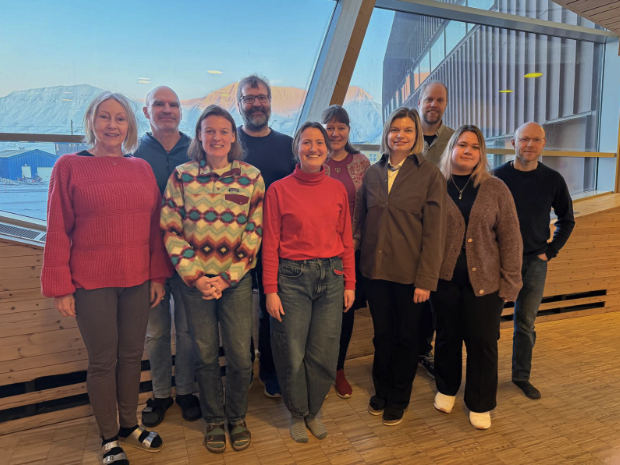
Participants from the left: Grete, Arne, Maaike, Eystein, Charlotte, Hanne, Julia, Marius, Maria and Per Gunnar (all in photo). Lillian also joined, just as we had several visitors for specific points. Photo: Ingrid Ballari
26 September, 2025
Town Walk
Following our public info night, we invited the community to join a walk through Longyearbyen to learn about permafrost monitoring and the challenges of Arctic living. Led by permafrost expert Hanne Christiansen (UNIS), the walk included several key stops:
- Town Square: Uneven settling of brick paths, wooden skirts on buildings, and cooling plate foundations.
- Hilmar Rekstensvei: LongyearObs weather stations, active layer detachment on Sukkertoppen, and avalanche fences.
- Vannledningsdalen: Borehole research instruments and live data monitoring.
- Perleporten Bridge: Water management, dams, and historic slush avalanche geohazards.
- Haugen & Old Hospital: Examples of building deformation and the impact of past decision-making on permafrost.
24 September, 2025
Dialogue Stakeholder Meeting & Public Info Night
Social scientists from Nordland Research Institute and local experts hosted a dialogue meeting with key stakeholders, including the Governor of Svalbard, Svalbard Energi, and LPO Architects. The discussion focused on identifying vulnerable areas, daily life impacts of thawing permafrost, and infrastructure monitoring priorities.
In the evening, we hosted a “full house” at UNIS for an open information meeting. Presentations included:
- Climate Change and Permafrost: Challenges for Longyearbyen (H. Christiansen & M. Jonassen).
- Cultural Heritage: Status and challenges (E. Markusson).
- Societal Adaptation: Local involvement and challenges (G. Hovelsrud).
- Response System: Developing local involvement strategies (M. Weerdesteijn).